
- 正在播放《欧洲的某个地方》 - 非凡资源M3U8
- 提醒不要轻易相信视频中的任何广告,谨防上当受骗
- 技巧
- 收藏彗星视频网址:ys.620998.xyz / ys.620998.xyz ,记得收藏哟~
剧情:
Somewhere in the remote region, the war ends. In the midst of ruined cities and houses in the streets, in rural hamlets, everywhere where people still live, are children who have lost their homes and parents. Abandoned, hungry, and in rags, defenseless and humiliated, they wander through the world. Hunger drives them. Little streams of orphans merge into a river which rushes forward and submerges everything in its path. The children do not know any feeling; they know only the world of their enemies. They fight, steal, struggle for a mouthful of food, and violence is merely a means to get it. A gang led by Cahoun finds a refuge in an abandoned castle and encounters an old composer who has voluntarily retired into solitude from a world of hatred, treason, and crime. How can they find a common ground, how can they become mutual friends? The castle becomes their hiding place but possibly it will also be their first home which they may organize and must defend. But even for this, the price will be very high. To this simple story, the journalist, writer, poet, scriptwriter, movie director, and film theoretician Béla Balázs applied many years of experience. He and the director Géza Radványi created a work which opened a new postwar chapter in Hungarian film. Surprisingly, this film has not lost any of its impact over the years, especially on a profound philosophical level. That is to say, it is not merely a movie about war; it is not important in what location and in what period of time it takes place. It is a story outside of time about the joyless fate of children who pay dearly for the cruel war games of adults. At the time it was premiered, the movie was enthusiastically received by the critics. The main roles were taken by streetwise boys of a children's group who created their roles improvisationally in close contact with a few professional actors, and in the children's acting their own fresh experience of war's turmoil appears to be reflected. At the same time, their performance fits admirably into the mosaic of a very complex movie language. Balázs's influence revealed itself, above all, in the introductory sequences: an air raid on an amusement park, seen in a montage of dramatic situations evoking the last spasms of war, where, undoubtedly, we discern the influence of classical Soviet cinematography. Shooting, the boy's escape, the locomotive's wheels, the shadows of soldiers with submachine guns, the sound of a whistle—the images are linked together in abrupt sequences in which varying shots and expressive sharp sounds are emphasized. A perfectly planned screenplay avoided all elements of sentimentality, time-worn stereotypes of wronged children, romanticism and cheap simplification. The authors succeeded in bridging the perilous dramatic abyss of the metamorphosis of a children's community. Their telling of the story (the scene of pillaging, the assault on the castle, etc) independently introduced some neorealist elements which, at that time, were being propagated in Italy by De Sica, Rossellini, and other film artists. The rebukes of contemporary critics, who called attention to "formalism for its own sake" have been forgotten. The masterly art of cameraman Barnabás Hegyi gives vitality to the poetic images. His angle shots of the children, his composition of scenes in the castle interior, are a living document of the times, and underline the atmosphere and the characters of the protagonists. The success of the picture was also enhanced by the musical art of composer Dénes Buday who, in tense situations, inserted the theme of the Marseilaise into the movie's structure, as a motive of community unification, as an expression of friendship and the possibility of understanding. Valahol Europaban is the first significant postwar Hungarian film. It originated in a relaxed atmosphere, replete with joy and euphoria, and it includes these elements in order to demonstrate the strength of humanism, tolerance, and friendship. It represents a general condemnation of war anywhere in the world, in any form.
收起
相关影片

2024
剧情片
美国
In 1815, an American Legend, whose wife has fallen deathly ill, leaving his young children to
HD中字

HD中字
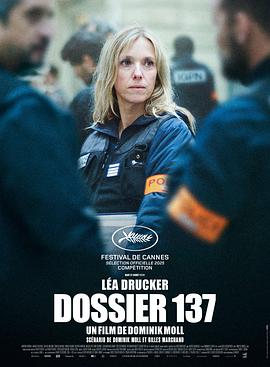
2025
剧情片
法国
蕾雅·德吕盖 帕斯卡·桑格拉 克莱尔·博德森 朱利安·利蒂 佛罗伦斯·维亚拉 海伦·亚历山德里迪斯 Solan Machado Graner 安东尼娅·布雷西 杰纳维夫·马尼奇 Christian Sinniger Sandra Colombo Côme Péronnet 瓦伦丁·坎帕涅 Mathilde Riu 雅尼克·莫泽尔 古斯拉姬·马兰达 戈捷·巴图埃 Laurent Bozzi 亚历珊德拉·耶尔马克 斯蒂文·德里森
「为什么大家讨厌警察?」男孩询问母亲。身为警察的史黛芬妮,负责的却是警察暴力与失职案件调查。2018年,一名青年随亲友来到巴黎参与街头抗议,却因警方开枪,导致永久性脑部损伤。家人提出指控,警方却矢
TC中字

2026
剧情片
美国
HD中字
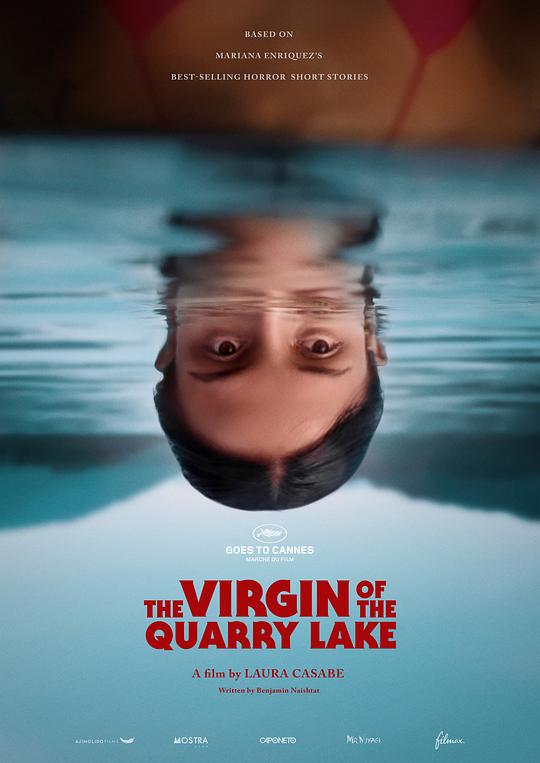
2025
剧情片
阿根廷 / 西班牙 / 墨西哥
2001年阿根廷社会动荡的盛夏,布宜诺斯艾利斯郊区的三个少女闺蜜,都对发小迭戈暗藏情愫。迭戈与成熟女性西尔维娅相恋后,少女纳塔莉亚在祖母的帮助下,对二人施下黑魔法诅咒。失控的诅咒引发超自然
HD中字
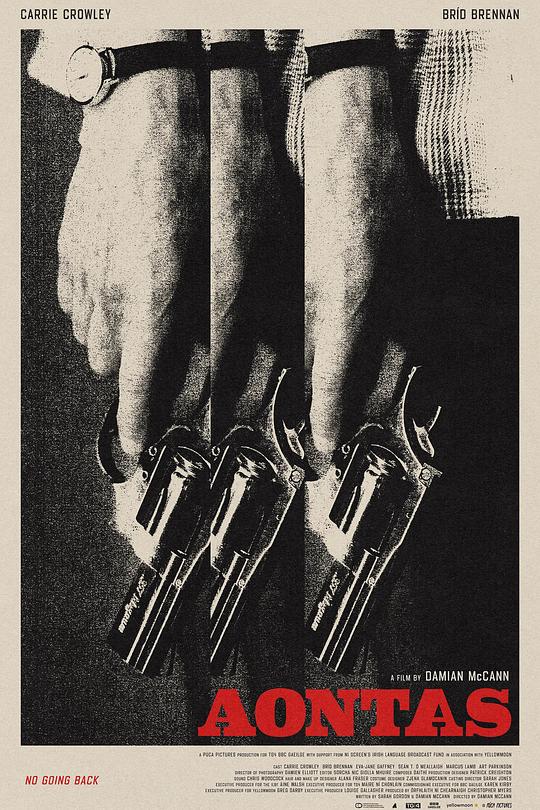
2025
剧情片
爱尔兰
是被过去塑造的囚徒,还是自我命运的缔造者?故事以抢劫失败后的悲剧开场。一位濒临崩溃的偏执女子,带领两名同伙抢劫了爱尔兰农村信用社,但计划漏洞百出。事态不断失控,随着时光倒流,那些无法逃离的
HD中字

2026
剧情片
美国
TC中字

2026
剧情片
泰国
三名女子沦为冷血电话诈骗的受害者。为了讨回公道,他们决定对抗夺走他们金钱与尊严的犯罪网络。
HD中字

2026
剧情片
韩国
更新至第01集

2025
剧情片
日本
HD中字
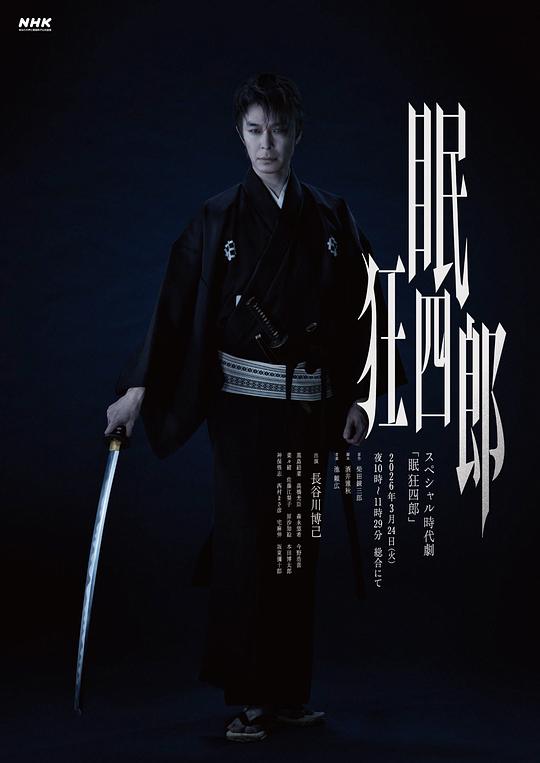
2026
剧情片
日本
HD中字

2026
剧情片
印度
兰维尔·辛格 阿克夏耶·坎纳 桑杰·达特 阿俊·拉姆鲍 马达范 莎拉·阿尔琼 Rakesh Bedi Danish Pandor Saumya Tandon 高拉夫·杰拉 Manav Gohil Naveen Kaushik 阿卡什·库拉纳 K Anshuman Thakur Vikash Rai
Hamza Ali Mazari, whose real identity is Jaskirat Singh Rangi, pursues his undercover operatio
TC中字

2026
剧情片
日本
HD中字
2025
剧情片
大陆
HD国语
2026
剧情片
大陆
HD国语
